Shape & Proportion
Concerns may include a hump, broad or drooping tip, excessive projection, width, deviation, asymmetry or disproportion within the facial profile.

You do not need to know the name of a procedure before coming for consultation. Start with what bothers you. We will discuss the appropriate surgical or non-surgical options, expected results, recovery and limitations.
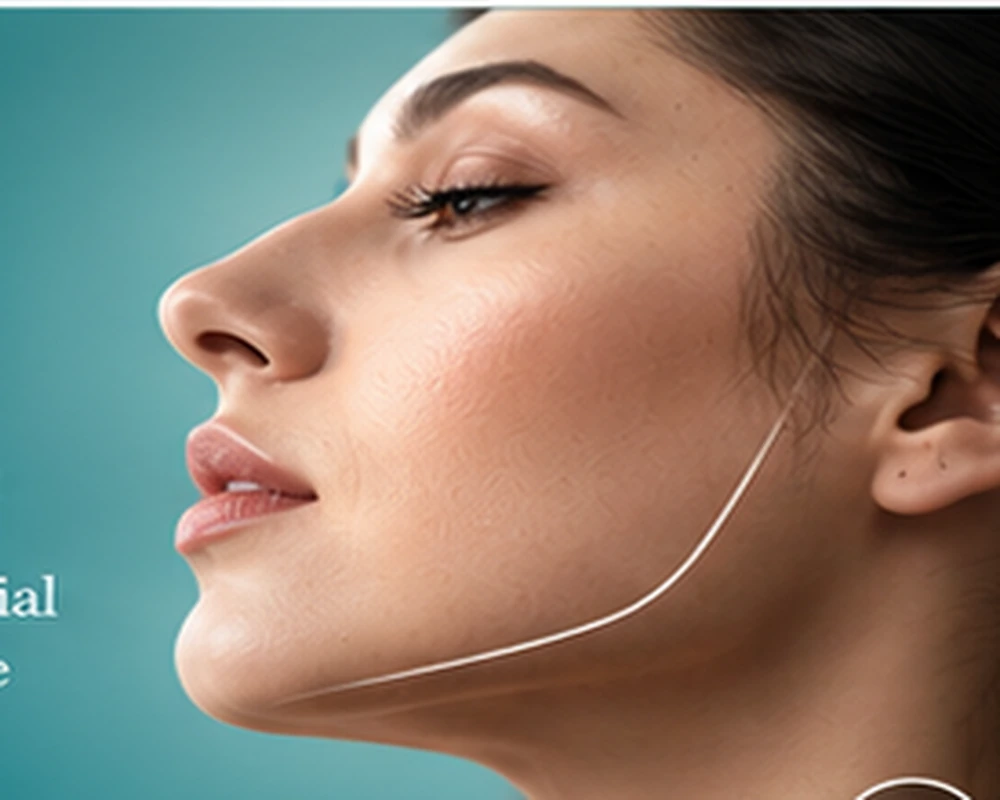
Correct jaw position, bite and facial proportions for a balanced profile and better function.

Rhinoplasty for a harmonious profile, natural shape and better breathing where needed.

Enhance facial definition, lip shape, chin balance and overall facial harmony.
Look fresher, younger and more confident with modern facial rejuvenation options.
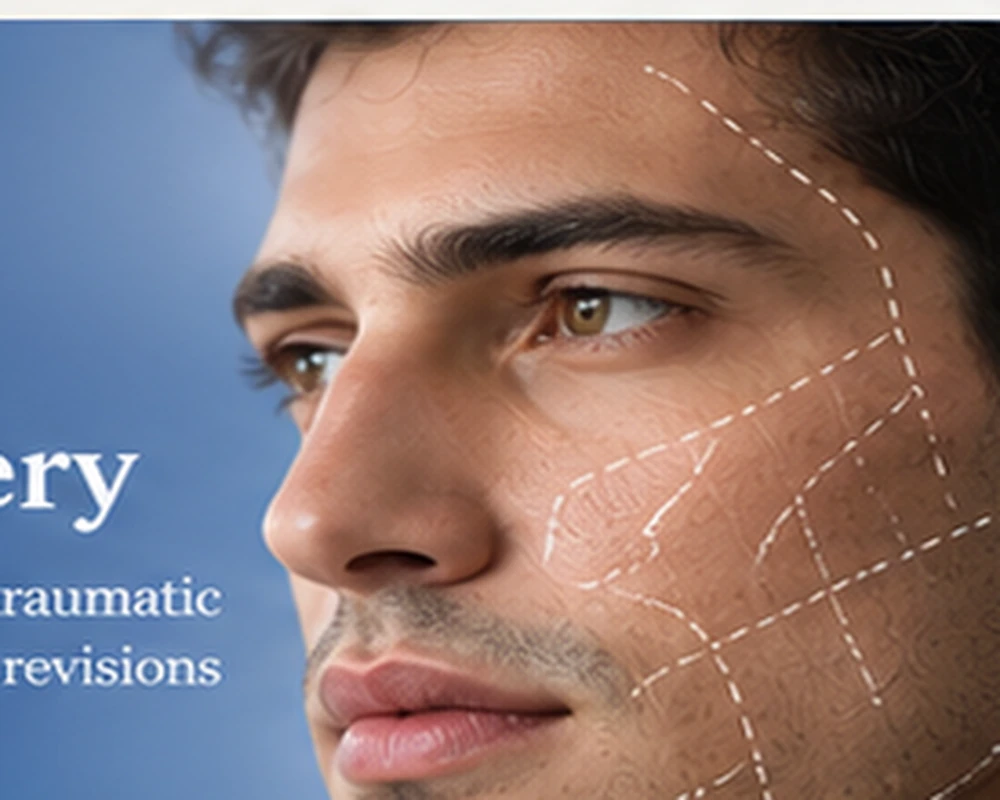
For facial deformities, post-traumatic correction, previous surgery revisions and complex cases.
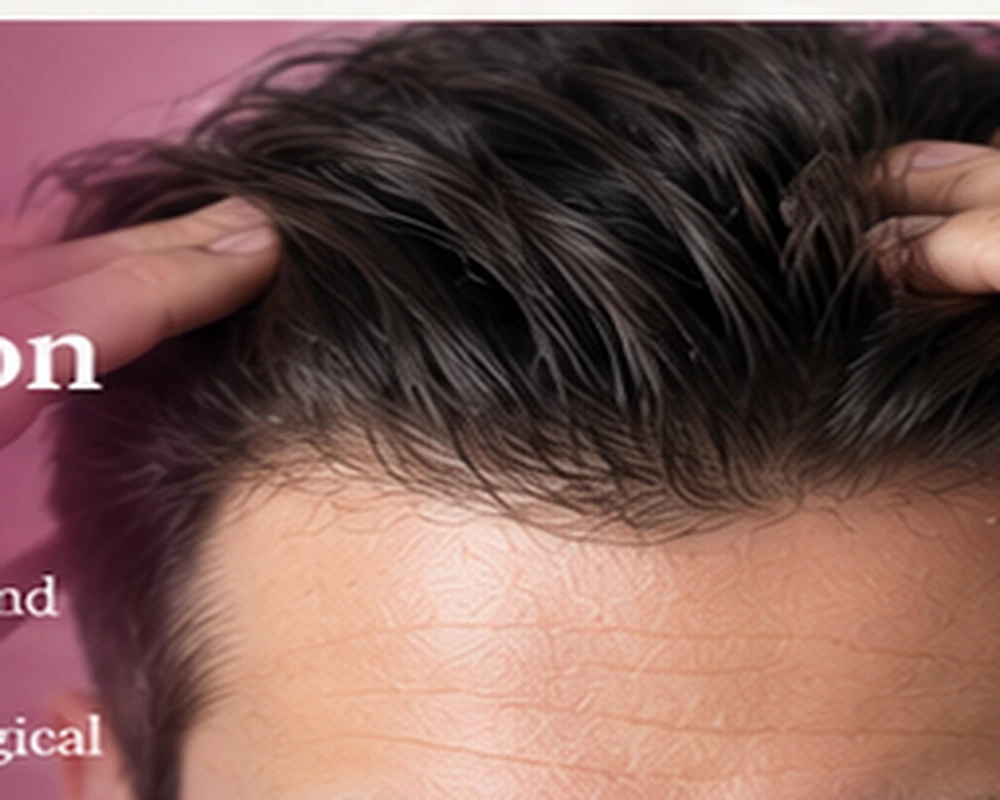
Assessment of hair loss patterns and suitable hair restoration options, including transplant and non-surgical treatments.
Jaw correction is not only about the bite. It can influence facial profile, chin position, lip support, symmetry, chewing, speech and airway. The aim is to improve function and facial balance together.
The relationship between upper jaw, lower jaw, chin, teeth and soft tissues is assessed as one facial system.
Patients with a prominent or retruded jaw, facial asymmetry, open bite, crossbite, long-face or short-face pattern, or a bite problem linked to skeletal jaw position.
Facial proportions, bite, smile, jaw relationship, chin projection and soft-tissue response are assessed before deciding whether orthodontics alone or jaw surgery is appropriate.
Jaw surgery may improve chewing, lip competence, facial symmetry and profile balance while correcting the underlying skeletal relationship.
Clinical examination, dental records and 3D imaging are combined with orthodontic and surgical planning so movement is based on both function and facial aesthetics.
The nose sits at the centre of the face, so small changes can alter the overall profile. Planning should consider shape, proportion, breathing and the relationship between the nose, lips and chin.
Concerns may include a hump, broad or drooping tip, excessive projection, width, deviation, asymmetry or disproportion within the facial profile.
When nasal obstruction or septal deviation is present, functional concerns should be assessed alongside the aesthetic plan rather than treated separately.
A nose that seems too large or too small may partly reflect chin projection, jaw position or facial proportions. The whole profile is reviewed before planning surgery.
The aim is refinement that remains believable for your face, ethnicity, age and anatomy — not a standardised or over-corrected nose.
Good rhinoplasty planning considers what should change — and just as importantly, what should remain untouched.
The chin, lips, jawline and surrounding soft tissues influence how the whole face is perceived. The goal is not to enlarge or reduce features in isolation, but to improve proportion, definition and harmony.
Profile, lip support, chin projection and jawline definition are assessed together before selecting a surgical or non-surgical option.
A weak, prominent or asymmetric chin can alter the profile. Options may include genioplasty or selected contour procedures depending on skeletal anatomy.
Lip proportion is evaluated in relation to the nose, teeth, chin and facial profile. Treatment should aim for natural shape, movement and balance.
Jawline concerns may reflect bone structure, soft tissue, fat distribution or skin laxity. Planning begins by identifying the true anatomical cause.
Sometimes the most balanced result comes from treating more than one relationship — for example chin projection with nose profile or lip support.
Ageing affects the face at several levels: skin quality, facial volume, muscle activity, fat position and tissue laxity. Rejuvenation works best when treatment is chosen for the cause of the change, not simply the visible line or fold.
The goal is not to erase every sign of age, but to help the face look rested, balanced and naturally rejuvenated.
Texture, pigmentation, fine lines and surface ageing may benefit from skin-focused rejuvenation rather than volume or surgery.
Selected expression lines may be softened with neuromodulator treatment while preserving natural facial movement.
Loss of support in the cheeks, lips or other areas may be addressed selectively with fillers or other contour strategies.
When loose skin and deeper tissue descent are the main problem, surgical lifting procedures may be more appropriate than repeated injectable treatment.
Facial deformity may be congenital, post-traumatic, post-surgical or acquired over time. Corrective facial surgery begins with understanding what changed anatomically, what affects function, and what matters most to the patient.
Residual asymmetry, malposition, contour irregularity or bite changes after facial fractures may require secondary reconstruction or skeletal correction.
Jaw, chin, orbital or facial growth differences can affect both appearance and function. Planning is individualised to the underlying anatomy.
Persistent imbalance, contour problems, scarring or functional concerns after earlier procedures may require careful reassessment before revision.
Where tissue, bone or contour has been lost, reconstruction may involve staged planning to restore support, symmetry, function and facial form.
Corrective surgery is not about chasing perfection. It is about restoring the best possible relationship between structure, function and appearance.
A natural result depends on more than graft numbers. Hairline position, temporal recession, facial shape, donor density, hair calibre, future hair loss and age all influence the plan. The objective is a credible, age-appropriate and sustainable result.
The hairline is designed in relation to the forehead, temples and facial proportions so the result looks natural today — and remains believable over time.
Hair loss pattern, age, family history and likely future progression are assessed before deciding whether transplant, medical therapy or observation is most appropriate.
A good hairline should complement facial proportions and age. It should not be placed too low or designed as a perfectly straight artificial line.
Donor density, hair calibre, curl, colour contrast and scalp characteristics influence achievable coverage and the number of grafts that can be used safely.
Hair restoration should account for future loss. The priority is to preserve donor reserves and create a plan that remains balanced as the patient ages.
Good facial surgery begins with diagnosis, not a procedure menu. We look at proportion, function, skeletal structure, soft tissue, expression and your goals together before recommending treatment.
Nose, jaw, chin, lips, smile and soft tissues influence one another. Planning considers the complete facial relationship instead of treating one feature in isolation.
Bite, breathing, facial movement, speech and structural support are considered alongside appearance so aesthetic goals do not compromise function.
The aim is not a standardised “done” look. The most successful result should belong to your face, respect your identity and remain believable.
Sometimes the correct answer is surgery. Sometimes it is a smaller procedure, non-surgical treatment—or no procedure at all. Recommendation follows the anatomy and the objective.
We first understand what you see, what you would like to improve and what is realistically achievable. Then we explain the options, limitations, recovery and expected change.
Maxillofacial & Head-Neck Oncosurgeon
A facial-surgery perspective built around anatomy, function, reconstruction and proportion — with the aim of achieving change that remains natural to the individual face.
CONSULT DR. MANDWE →Bone position, bite, airway, muscle, soft tissue and facial proportions all affect what we see on the surface. That is why facial planning at The Face is approached structurally first — and aesthetically as part of the same plan.
Diagnosis comes before treatment. The visible concern is traced back to its structural or soft-tissue cause.
Breathing, bite, facial movement and support are considered alongside appearance whenever relevant.
The objective is controlled refinement rather than aggressive transformation or a standardised aesthetic.
Good facial surgery is not only about the operation. It includes careful assessment, realistic planning, preparation, recovery and follow-up. We explain the expected change, limitations and downtime before treatment is finalised.
Your concern, medical history, facial proportions, function and treatment goals are reviewed together.
Options, investigations, imaging, expected change, recovery and limitations are discussed before proceeding.
The procedure is performed according to the individual plan, with function and tissue preservation kept central.
Swelling, healing and functional recovery are monitored until the result settles and the next steps are clear.
Expected after many facial procedures and usually improves progressively.
Eating, speaking, nasal breathing or facial movement may temporarily change depending on the procedure.
Work, exercise and social downtime vary considerably; this is discussed specifically for your treatment.
Facial tissues can take weeks to months to settle. Early appearance is not the final outcome.
Health, medications, habits and relevant investigations are reviewed before elective treatment.
Potential benefits, limitations, alternatives and recovery are discussed rather than promising perfection.
The extent of treatment is matched to anatomy and need — not to a package or trend.
Post-procedure review is part of treatment, particularly when healing, bite, breathing or function must be monitored.
Every face and every procedure is different, but some concerns come up repeatedly. These answers are general guidance; your own recommendation depends on examination, anatomy, health and treatment goals.
That is the objective. Facial treatment should improve balance or correct a specific concern while preserving recognisable facial identity. The plan is tailored to your anatomy rather than a standardised look.
Many concerns can arise from bone position, soft tissue, skin, volume or muscle activity. Consultation helps identify the cause first, after which surgical and non-surgical options can be compared appropriately.
Often, yes. Jaw correction, rhinoplasty and reconstructive procedures may involve both functional and aesthetic considerations. Bite, breathing, movement and structural support are assessed whenever relevant.
Downtime varies substantially by procedure. Minor injectable treatment may need little recovery, while jaw surgery, rhinoplasty or facelift procedures require longer healing. A procedure-specific timeline is discussed before treatment.
Some improvement is visible early, but swelling and tissue settling can continue for weeks or months depending on the procedure. Early postoperative appearance should not be mistaken for the final result.
Where appropriate and with patient consent, relevant clinical examples may be discussed during consultation. Case photographs should be interpreted carefully because anatomy, procedure and healing vary from patient to patient.
You do not need to know the procedure before consultation. Start with what bothers you. The purpose of assessment is to determine whether the concern is best managed surgically, non-surgically, or sometimes with no intervention at all.
Yes. In fact, looking at the whole face can be useful because the nose, jaw, chin, lips, smile and soft tissues influence one another. Priorities can then be ranked and treatment staged if needed.
Begin with a consultation focused on your concern, your anatomy and what can realistically be improved. We will explain the options, expected change, recovery and limitations before you decide.